Talent Management Metrics

Talent Management Metrics

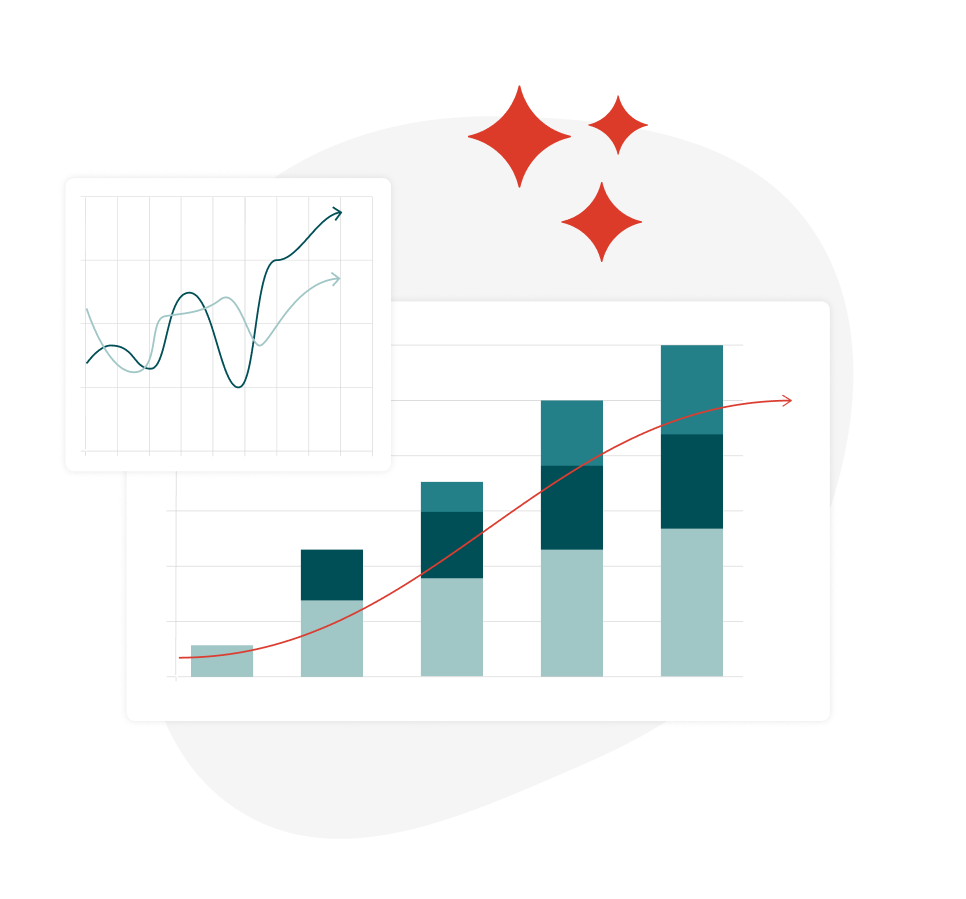
Data in the rearview mirror won’t help you hire today. That’s why before we even begin recruiting, we decide on what talent management metrics are most important to you and build real-time dashboards to track them.

Rather than “set it and forget it” reporting, these dashboards drive regular conversations that lead to significant improvements.

 What talent management metrics should we measure?

Ask most HR teams how hiring is going and you'll hear about time to fill. It's a tidy number, and it tells you almost nothing. A 30-day time to fill sounds fine until you learn the role has been opened and refilled three times because no one stayed past their first month. (And some positions just take longer to fill because of the specialized experience they require.) Time to fill can't tell you whether a result is good or where the problem is hiding. That’s why we look beyond this to dig into the metrics that really matter, including:

Business case metrics

Business case metrics are the numbers your CFO already watches, the ones that show up on the profit and loss (P&L) statement. 
These include:

  • Overtime reduction
  • Hard cost savings
  • Turnover reduction
  • Cost to retain


Every unfilled revenue-producing role is capped growth, and every early departure erases a hire you already paid to make.

Business-case-metrics-image

Talent metrics

Talent metrics answer two simple questions: Do you have the right people? And are they staying? These include:

  • Quality of hire
  • 90-day retention


Tracking these together tells you whether your talent management strategy is working or just busy. A team can hit its hiring goal every month and still lose ground if the people it hires don’t stay or don’t perform. Employees who stay past 90 days are much more likely to stay for a year or longer. The good news is that when our clients have better hires and they stay longer, they see better customer retention, too.

Candidate-talent-metrics-image

Recruiting and retention metrics

Recruiting and retention metrics are the operational numbers that show where your hiring process is healthy and where it’s stuck.

  • Cycle times measure how long each step takes, such as time to schedule an interview, time to extend an offer, and time to a candidate’s first day on payroll
  • Flow measures the health of your pipeline, including how many candidates are qualified, how many reach a scheduled interview, and where the drop-off happens
  • Drop rates measure the leaks, including interview no-show 
rates and candidates who accept an offer and never show up 
on day one.


Two examples show why these matter. Time to schedule interviews is a small number with an outsized effect. A strong candidate who waits a week to hear back has usually already taken another job, so an early delay costs you the hire before you ever meet. With Talentcare Crew’s AI interview scheduling, our clients schedule interviews within two days of a candidate applying, which removes one of the most common early bottlenecks.

Recruiting-retention-metrics-image

How our dashboards turn metrics into progress

Metrics only matter if someone acts on them. Talentcare builds a real-time dashboard around the metrics you chose, then uses it to run a rhythm of reviews that keep hiring moving toward your targets. Here's how that works in practice.

We set the targets before we recruit

Before we post a single job, we sit down with your leadership team and agree on what success looks like, including the business case metrics tied to revenue, the talent metrics tied to capacity, and the recruiting metrics that show whether the pipeline is on track. Setting targets first means everyone measures the same thing. It turns a vague goal like "hire faster" into a number your hiring managers can own.
realtime-employee-dashboards-icon

Real-time dashboards replace guesswork

Your dashboard gives every hiring manager a live view of their own pipeline, location by location. Instead of waiting for a monthly spreadsheet, they can see where candidates are stalling and act while it still matters. That visibility changes behavior.
employee-review-responses-icon

Regular reviews keep you improving

Dashboards surface the numbers; conversations move them. We hold monthly and quarterly reviews with your team to walk through what's working, what isn't, and what to change next. When a client looks strong overall but has two or three locations dragging the average down, those reviews are where we catch it and correct the course. Then we set new targets and start the next cycle.

Where reporting fits into a Talentcare partnership

Employer-Branding-icon

Employer branding

We tell candidates why they should jump out of bed to work with you.
Career-site-management-icon

Career site management

We’ll build and maintain a dedicated career site employees can find wherever they’re searching.
Reputation-management-icon

Reputation management

Gen Z reads reviews. No replies? 
Hard pass.
Frontline-recruiting-icon

Frontline recruiting

We use AI to find the best and most motivated candidates and use a combination of hands-on recruiting and job advertising.
Interview-scheduling-icon

Scheduling and interview guidance

AI scheduling removes bottlenecks, while interview guidance helps hiring managers have better conversations.
Employee-onboarding-icon

Onboarding

Once you’ve hired someone, guided onboarding keeps them engaged so they’ll show up and stay longer.
Employee-improvement-dashboards-icon

Continuous improvement

Custom dashboards measure success, while ongoing discussions help you meet your targets.